Source Solar Powered Electric UTV for Farming, Mining, and Security
Compare 30 solar powered electric utv models featuring 48V and 60V systems with 4WD capabilities. Evaluate specifications like payload capacity, speed, and battery life to find the right vehicle for your industrial or agricultural needs; compare the available evidence and request quotations based on your requirements.
Key considerations
Products List
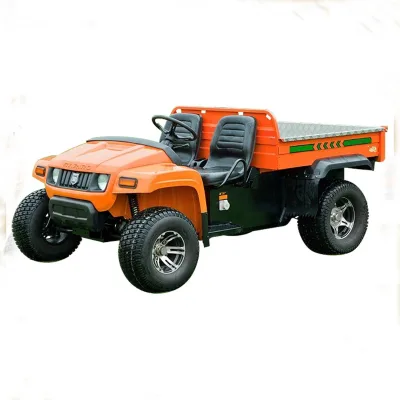
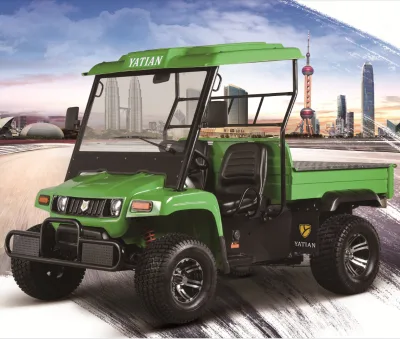
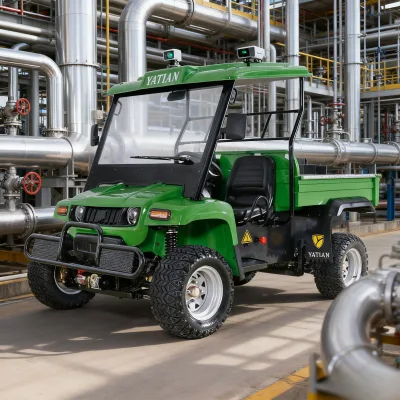



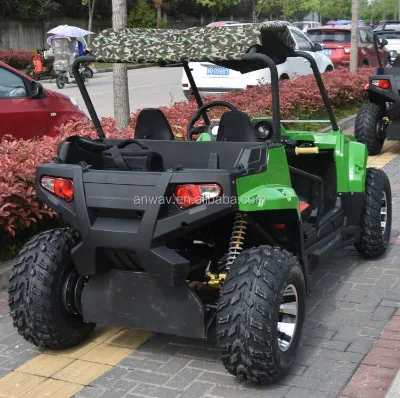
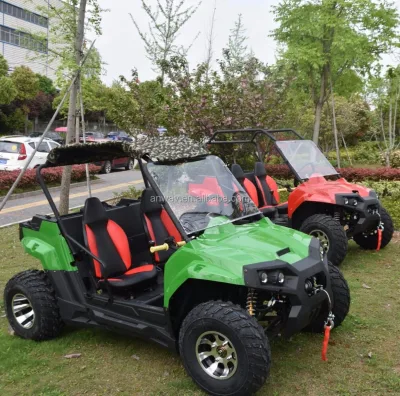
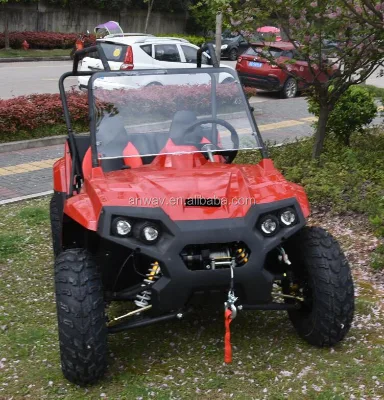
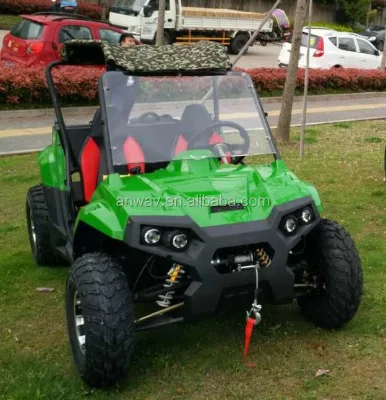
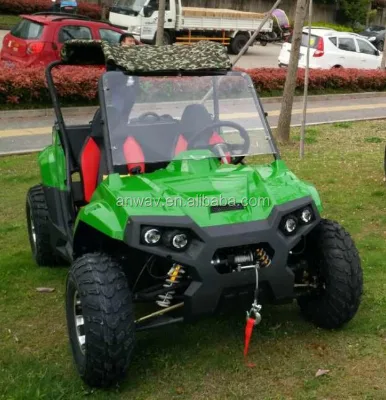


Comprehensive Sourcing Guide
Solar Powered Electric UTV Sourcing Guide
Sourcing solar-powered electric utility task vehicles requires careful alignment of technical specifications with operational needs. Buyers must distinguish between true solar-integrated systems and standard electric models that may be marketed with ambiguous terminology. The core keyword often refers to electric UTVs designed for off-road utility work, where battery capacity and charging infrastructure are critical. Understanding the distinction between pure electric drive and hybrid solar-assisted systems is essential for accurate procurement planning.
Procurement teams should focus on verifying the actual power source and energy storage capabilities of the listed units. Many suppliers offer electric UTVs with high-voltage battery systems that can be charged via grid power or optional solar arrays. It is vital to confirm whether the solar component is an integral part of the vehicle’s design or an add-on accessory. This distinction impacts the vehicle’s autonomy, range, and suitability for remote locations where grid electricity is unavailable.
Product Scope and Observed Listing Signals
The observed market signals indicate a diverse range of electric utility vehicles with varying specifications. Listings show a price range from 1800 to 11000 USD, reflecting differences in battery capacity, motor power, and build quality. The minimum order quantity typically ranges from 1 to 20 units, allowing for flexible procurement strategies for both individual buyers and fleet operators. These signals suggest a mature supply chain with competitive pricing and scalable production capabilities.
Key attributes observed include switchable 2WD/4WD driving types, which enhance versatility across different terrains. Voltage specifications vary, with some models operating at 48V and others at higher voltages exceeding 60V, impacting performance and efficiency. Payload capacities generally fall between 400-500kg, suitable for light to medium utility tasks. Buyers should note that while the keyword implies solar power, the primary energy source listed is often electric batteries, requiring clarification on solar integration.
Technical Specifications to Verify
Verifying technical specifications is crucial for ensuring the vehicle meets operational requirements. Key parameters to check include driving mileage, which should be at least 90km for extended utility work. Maximum speed limits are typically capped at 50km/h, balancing safety and efficiency for off-road environments. Brake systems, often featuring front disc and rear drum configurations, must be inspected for reliability and maintenance ease.
Battery specifications are paramount, with some models utilizing 60.40Ah lithium batteries for robust performance. Charging times generally range from 7 to 9 hours, influencing operational scheduling and downtime. Motor power outputs exceeding 1000W provide adequate torque for varied loads. Buyers should also verify wheelbase dimensions, which range from 1800 to 2200mm, affecting stability and maneuverability in tight spaces.
Compliance and Safety Documentation
Compliance with regional safety and environmental standards is non-negotiable for legal operation. Certifications such as CE and EEC are commonly listed, indicating adherence to European safety and quality benchmarks. Buyers must verify that these certifications are valid and applicable to their specific market requirements. Documentation should include detailed test reports and conformity certificates to ensure regulatory compliance.
Safety features like differential locks, either equipped or unequipped, impact vehicle control and safety in challenging conditions. Buyers should request detailed safety manuals and operational guidelines from suppliers. Ensuring that the vehicle meets local noise and emission regulations, even for electric models, is essential. Proper documentation facilitates smoother customs clearance and reduces the risk of legal complications during import and operation.
Cost Drivers and Commercial Terms
Cost drivers in electric UTV procurement include battery technology, motor efficiency, and build materials. Higher voltage systems and larger battery capacities typically increase the unit price but offer better performance and longevity. Supply ability, often cited as 12000 units per year, suggests economies of scale that can reduce per-unit costs for larger orders. Buyers should negotiate based on volume discounts and long-term partnership potential.
Commercial terms such as packaging details and port of dispatch influence total landed costs. Steel frame packaging with cartons ensures safe transit but adds to shipping volume and weight. The port of dispatch, often Guangzhou, affects logistics planning and transit times. Buyers should clarify Incoterms to understand responsibility for shipping, insurance, and customs duties, ensuring accurate budgeting and risk management.
Supplier Qualification and Quality Control
Supplier qualification involves assessing manufacturing capabilities, quality control processes, and after-sales support. Suppliers with established production lines in regions like Guangdong and Zhejiang often demonstrate consistent quality and reliability. Buyers should request factory audits or third-party inspection reports to verify manufacturing standards and production capacity.
Quality control measures should include pre-shipment inspections and functional testing of critical components. Buyers must ensure that suppliers provide warranties and technical support for battery and motor performance. Establishing clear communication channels for troubleshooting and spare parts availability is essential for long-term operational success. Due diligence in supplier selection minimizes risks associated with product defects and service delays.
Long-Term Procurement Checks
Long-term procurement success depends on continuous monitoring of product performance and supplier reliability. Buyers should track battery degradation rates and overall vehicle durability over time. Regular feedback loops with suppliers can drive product improvements and address emerging operational challenges. Maintaining a diverse supplier base mitigates risks associated with supply chain disruptions.
Staying updated on regulatory changes and technological advancements in electric vehicle technology is crucial. Buyers should periodically review their procurement strategies to align with evolving market conditions and operational needs. Building strong relationships with suppliers fosters collaboration on customizations and future product developments. Proactive management ensures sustained value and operational efficiency throughout the vehicle’s lifecycle.
FAQs
What is the maximum speed of these electric UTVs?
The maximum speed is typically 50 km/h or less. This limit ensures safe operation for utility tasks and recreational use. Some models may offer a range of 30-50 km/h depending on the specific configuration and load conditions. Always verify the exact speed rating for the selected model before purchase.
Can these vehicles operate on steep slopes?
Yes, many models feature grade abilities of 25 degrees or more. This capability allows for effective navigation on uneven terrain and moderate inclines. The driving type often includes switchable 2WD or 4WD options to enhance traction. Ensure the specific model selected matches your terrain requirements for optimal performance.
What is the typical driving mileage on a full charge?
The driving mileage is generally 90 km or more per charge. This range supports extended utility operations without frequent recharging. The battery system, often 48V or higher, provides reliable power for daily tasks. Actual mileage may vary based on load, terrain, and driving habits, so plan accordingly for your specific use case.
Which certifications are available for these electric UTVs?
Common certifications include CE and EEC standards. These certifications indicate compliance with relevant safety and quality regulations for international markets. Buyers should verify the specific certificate required for their destination country. The availability of these certifications helps ensure the vehicle meets legal requirements for road or off-road use in various regions.
What is the payload capacity of these utility vehicles?
The payload capacity typically ranges from 400 to 500 kg. This capacity allows for transporting tools, materials, or passengers effectively. The vehicle design supports heavy loads while maintaining stability and control. Always check the specific model's specifications to ensure it meets your weight requirements for utility or recreational applications.
How long does it take to charge the battery?
Charging time is usually between 7 to 9 hours. This duration allows for a full charge using standard electrical sources. The battery type, such as lithium, influences charging efficiency. Plan your operations around this charging window to ensure the vehicle is ready for use when needed, minimizing downtime during daily tasks.
Are customization options available for these electric UTVs?
Yes, customization is often available for specific requirements. Buyers can request modifications to fit particular operational needs or branding preferences. The manufacturer may offer options for dimensions, colors, or additional features. Contact the supplier directly to discuss available customization services and ensure the final product aligns with your specific project specifications.